For years, safety and productivity have often been viewed as competing priorities in traffic management.
Improving safety meant adding more people, more supervision, and more process. While necessary, these measures were often seen as introducing friction into site operations.
But as projects become larger, interfaces more complex, and workforce pressures continue to grow, business owners are starting to look at safety differently, not just as a compliance requirement, but as an operational factor.
The question is no longer just: “Is this safe?”
It’s now: “Is this scalable?”
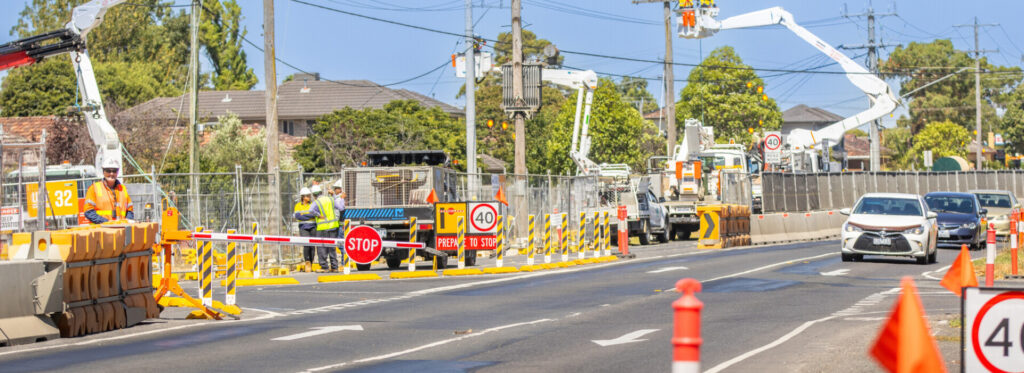
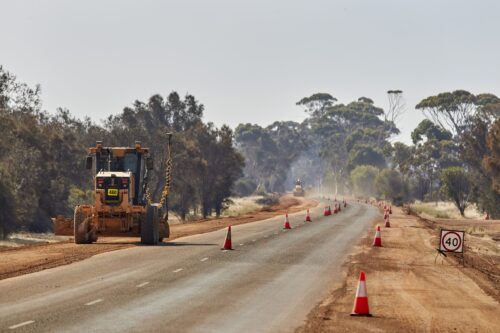
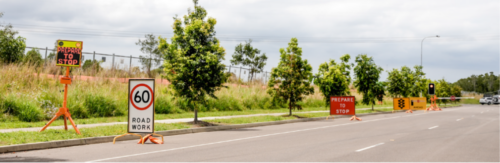
The Reality of Modern Worksites
Traffic controllers remain a vital part of how worksites function.
They bring judgement, adaptability, and situational awareness that systems alone cannot replicate.
However, live traffic environments are inherently dynamic, and managing movement manually introduces variability into the worksite.
Not because people are doing the wrong thing, but because the environment itself is unpredictable.
Across a project, this variability shows up in:
- timing differences
- fatigue across long shifts
- communication gaps
- inconsistent release patterns
Individually, these are minor.
Collectively, they affect:
- haul efficiency
- queue formation
- transition timing
site interface flow
The Shift Toward Predictable Control
As worksites increase in scale and complexity, movement control is becoming less about flexibility and more about consistency.
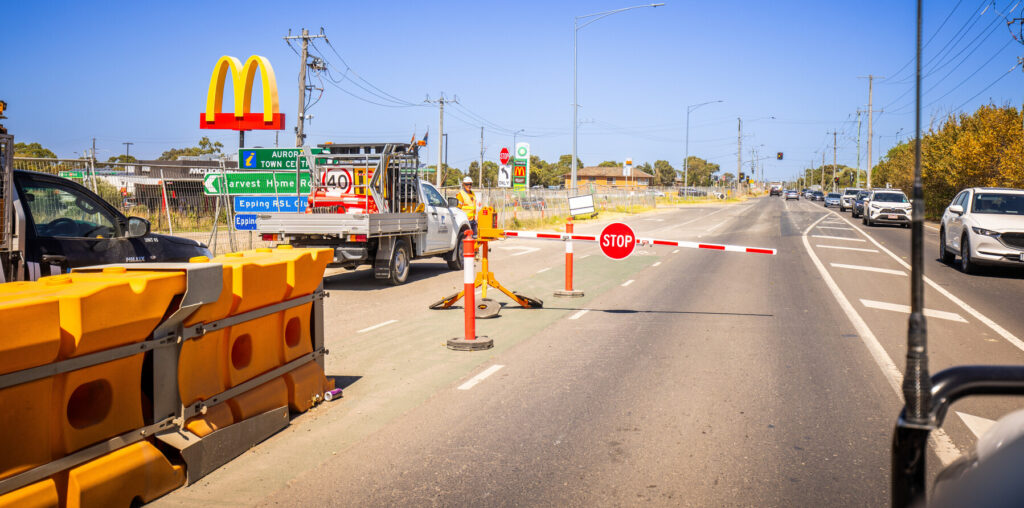
When vehicle flow is governed by structured signals or coordinated access points, movement becomes:
- repeatable
- predictable
- less dependent on real-time judgement under pressure
This reduces exposure, but it also improves flow.
Safety as an Operational Advantage
Reducing the need for frontline personnel to manage live traffic doesn’t just improve safety outcomes.
It can also:
- smooth traffic movement
- reduce stop-start inefficiencies
- improve timing consistency
- support better utilisation of equipment and crews
In other words, safety becomes an enabler of productivity, not a constraint.
Supporting the Workforce, Not Replacing It
This isn’t about removing people from worksites.
It’s about enabling teams to operate from safer positions while improving how sites function overall.
As environments evolve, so too must the tools and approaches used to manage them.
The future of traffic management will continue to rely on people, but increasingly supported by systems that provide consistency in environments where variability carries both safety and operational risk.
For business owners and operators, this shift represents an opportunity,
To improve safety outcomes while also strengthening operational performance.
Because safer sites don’t just protect people, they move better.
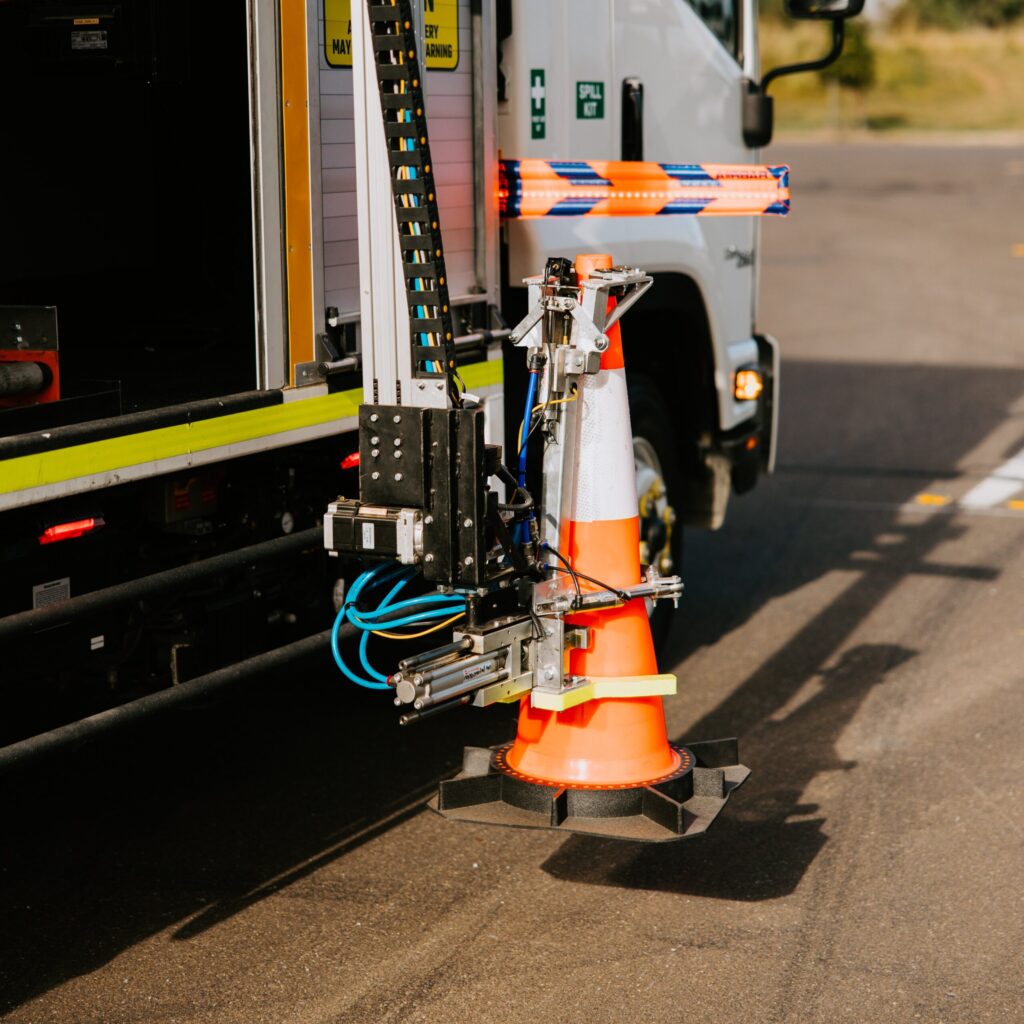
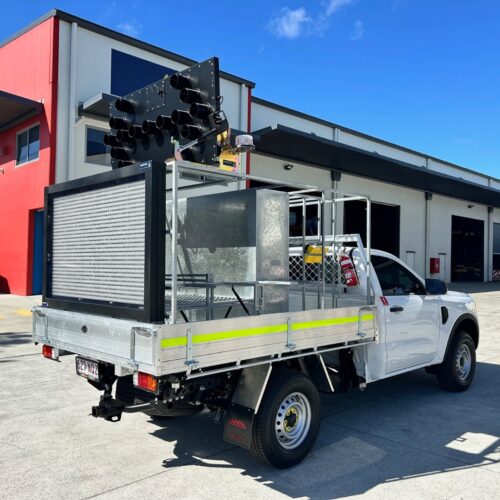
If your organisation is looking to improve safety while increasing operational efficiency on site, it may be time to rethink traditional traffic management approaches. Modern automated systems can remove workers from live traffic environments while maintaining clear, controlled traffic flow for motorists.
To learn more about how automated traffic control solutions can support safer and more productive worksites, contact the team at ARROWES or explore our range of traffic management technologies.
Keywords: temporary traffic management, road work safety, work zone safety, automated traffic control, portable traffic lights, road construction productivity, traffic controller safety, worksite risk reduction, intelligent traffic systems, road safety technology
Author: Nathan Psaila – Executive General Manager